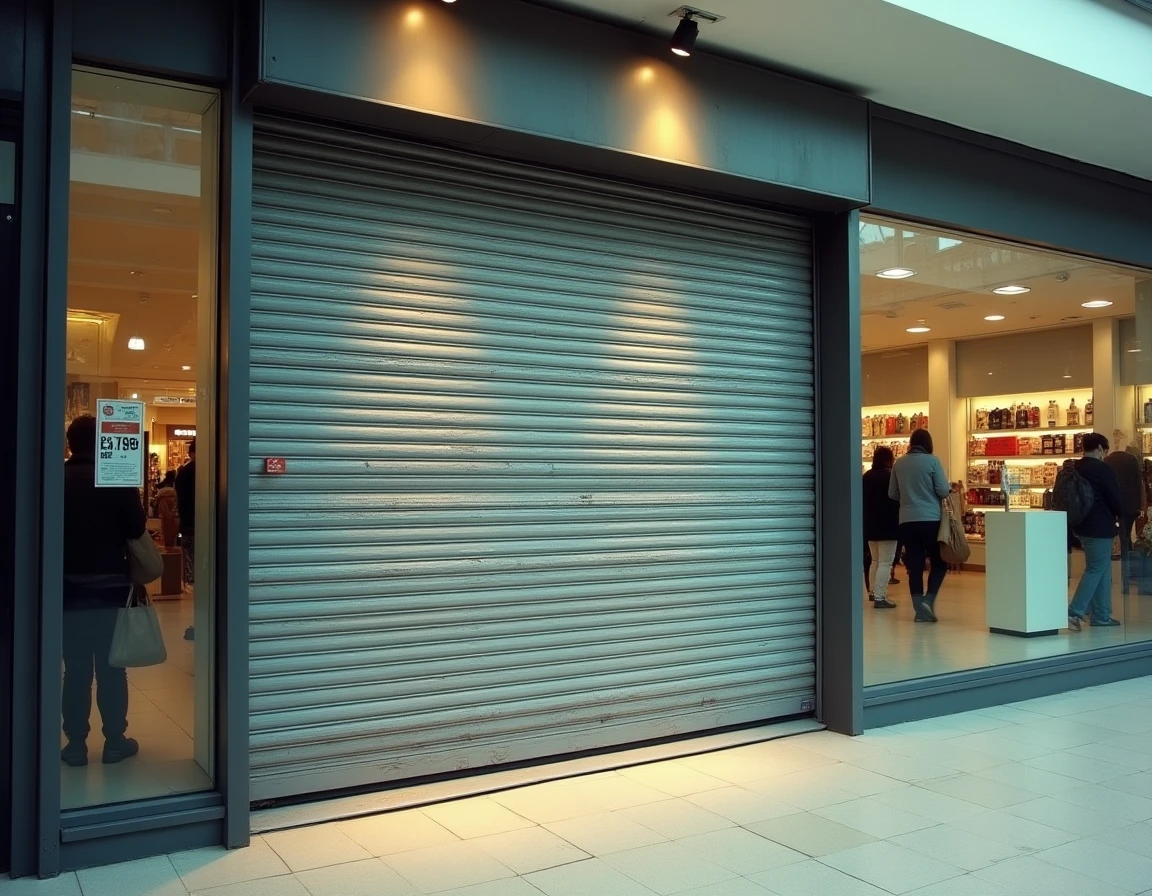
Christine Laure, a women’s ready-to-wear brand positioned in the segment for women over 45, has seen its network of boutiques drastically reduced following a judicial liquidation procedure. The brand, historically established in French city centers and shopping malls, has not disappeared: it has been taken over by the Amoniss group, which is integrating it into a broader portfolio strategy.
Christine Laure in the Amoniss portfolio: a logic of pooling

The takeover of Christine Laure was not done in an isolated rescue logic. Amoniss positions the brand as a pillar of a mid-market brand portfolio targeting women aged 45 and over, alongside other brands acquired or developed by the group.
This group architecture changes the game compared to the old model. When Christine Laure operated alone, each boutique had to absorb its own costs for purchasing, logistics, and information systems. Now, these expenses are pooled with the other brands in the portfolio.
Specifically, after the definitive closure of Christine Laure in its previous form, the brand survives as a component of a whole. Group purchasing, shared stock, and common IT tools reduce fixed costs per brand. It is this pooling that makes a brand viable whose physical network has considerably shrunk.
Post-closure business model: the shift to digital
The plan declared by Amoniss’s management is based on a clear arbitration: reduce dependence on physical store sales in favor of digital within three to four years. The remaining boutiques will retain a showcase role, but future revenue must gradually shift towards online sales.
This choice is not trivial for a clientele historically accustomed to trying on clothes in-store. The brand will need to invest in digital conversion tools suited to its target: precise size guides, visuals worn on various body types, flexible return policies.
Why physical stores remain a showcase and not a volume channel
Maintaining a dense network of boutiques is expensive, especially in city centers where commercial rents have increased in recent years. For a brand in the reconstruction phase, each physical point of sale must justify its own profitability. The retained stores serve to anchor the brand image and allow product contact, not to generate the majority of revenue.
This so-called phygital model (physical + digital) assumes that the store sparks desire and that the purchase is completed online, or vice versa. Several French brands in the same segment have already made this shift with varying results, depending on the quality of the online experience offered.
Product repositioning: short capsules and premiumization
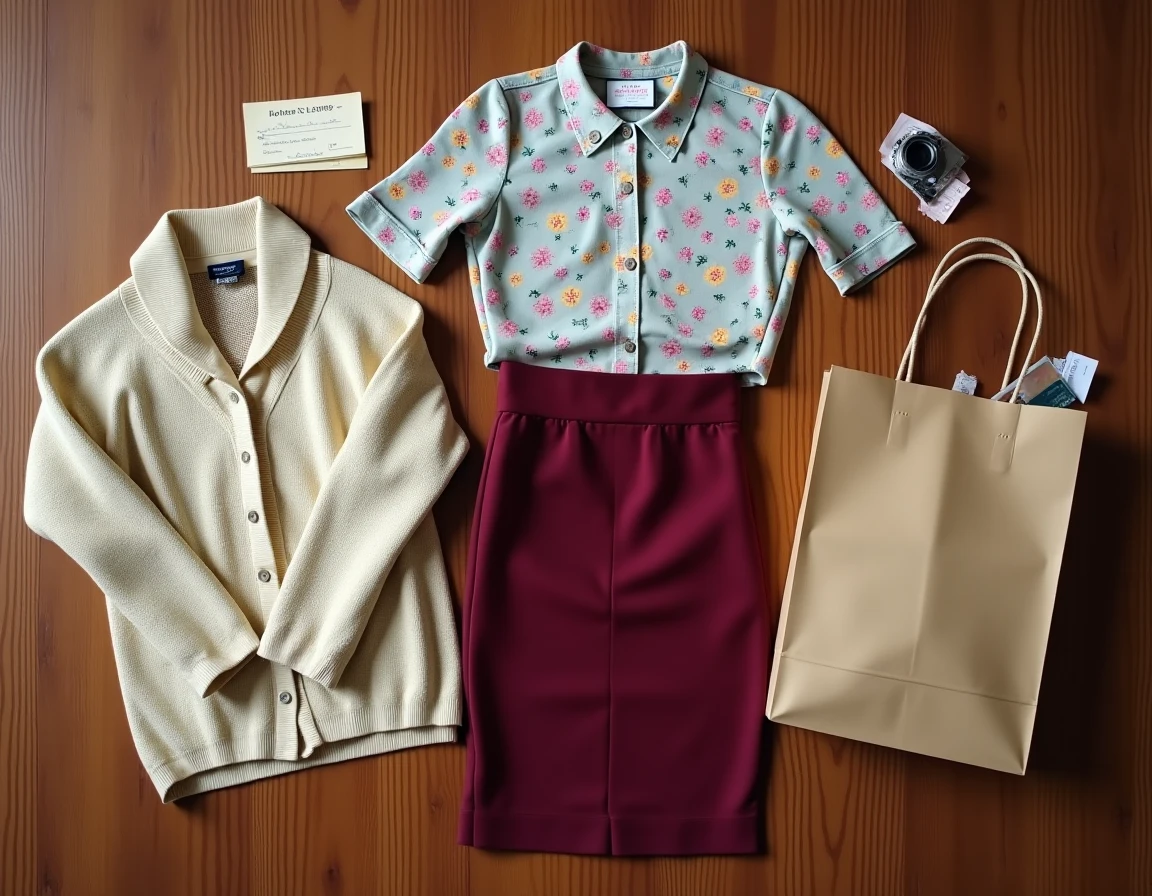
The Christine Laure offer is also evolving. The model of wide seasonal collections, typical of traditional ready-to-wear, is giving way to shorter capsules renewed frequently. This approach limits unsold items and creates a sense of scarcity that stimulates purchases.
At the same time, the brand is engaging in a premiumization of materials and cuts. The goal is to differentiate from fast fashion brands that target the same age group with lower prices but perceived inferior quality.
- Capsules with a few dozen references, renewed several times per season, replace massive collections
- Raw materials are selected for their durability, with a slightly higher price positioning than before
- Cuts are reworked to meet the morphological expectations of the target, a point often overlooked by generalist competitors
This refocusing responds to a reality in the French ready-to-wear market: brands positioned between the low end and premium struggle to survive if they do not justify their price with a concrete advantage (material, cut, durability).
The future of Christine Laure: conditions for medium-term survival
The Christine Laure brand has an asset that many struggling brands do not have: strong recognition among its target audience. Loyal customers know the name, sizes, and style. This brand capital has real value, provided it is maintained.
Several conditions will determine whether the relaunch is sustainable:
- The ability of the Amoniss group to maintain brand coherence while pooling resources with its other brands
- The speed of growth of the digital channel, which must compensate for the reduction of the physical network
- The acceptance by the historical clientele of a new purchasing mode, more online-oriented
- The actual quality of the product capsules, the only tangible argument against the competition
The risk of dilution in a multi-brand portfolio
Integrating into a multi-brand group carries a risk that is symmetrical to its advantages. While economies of scale benefit Christine Laure, the brand may also lose its distinct identity. When purchases are pooled, there is a temptation to offer products that are too similar across brands.
Product differentiation remains the decisive factor. A Christine Laure customer who finds the same cuts under another brand in the group has no reason to remain loyal. The group must ensure that each brand retains a distinct stylistic territory.
The closure of Christine Laure stores marked the end of a model, but not necessarily the end of the brand. The transition from an autonomous brand to an element of a structured portfolio changes the rules of the game. The next step will hinge on the digital’s ability to take over from the closed boutiques and on the relevance of a tightened product offer in the face of a clientele that expects concrete results, not just marketing repositioning.