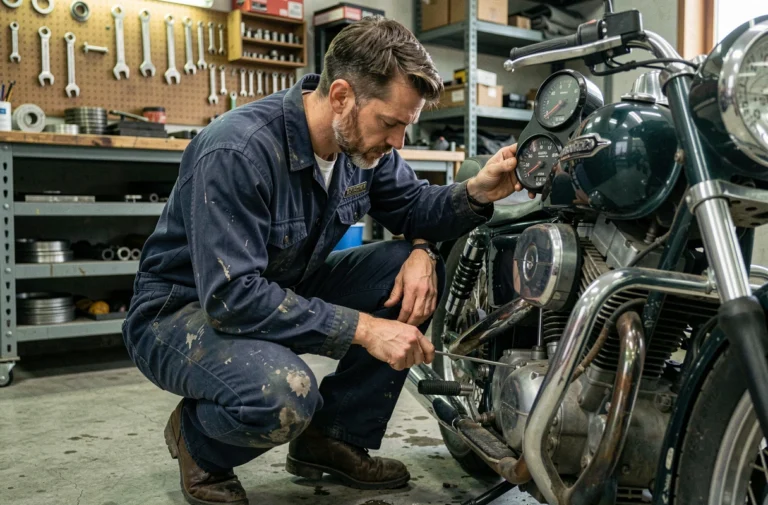
The World Health Organization makes it clear: to feel the effects of exercise, one must dedicate 150 minutes per week to it. Easy to announce, much harder to integrate into real life. As days go by, the initial energy fades, the routine dwindles, and it only takes a few weeks to see motivation drop a notch, almost silently. However, there are very concrete levers available. When the momentum weakens, support, tailored advice, or professional guidance can help put the effort back into perspective.
Choosing a personal trainer offers a reassuring framework where progress becomes more consistent. Sessions take place regularly, the appointment becomes a fixture in the schedule, creating a foundation that allows change to take root, even when days stack up and enthusiasm wanes.
Why consistency evaporates easily
Maintaining a solid exercise routine doesn’t rely solely on good intentions. The figures from INSEE are clear: after the age of 20, sports participation declines significantly among many women. And the pandemic has amplified this trend. A 2022 survey reports that one in two young women has relegated physical activity to the background. Several identifiable barriers stand in the way. Here are a few:
- Insidious pressure from body image
- Persistent doubts about one’s abilities
- Influence of social stereotypes
- Too generic advice, far from everyday realities
- Lack of resources to equip oneself or pay for a membership
- Unstable, unpredictable schedule
- Limited access to suitable facilities
For those from indigenous groups or the 2ELGBTQQIA+ community, the obstacles multiply: feeling out of place, diminished self-confidence, all compounded by persistent taboos like cellulite. Facing these blockages is already a first step.
Representation is gradually evolving: women are gaining visibility, even in major competitions like the Olympics. Stereotypes, however, persist. The key is to find suitable resources and an environment where everyone progresses at their own pace. On carnetdesportive.com, you can find practical tools, motivating paths, and a community that welcomes without judgment or unnecessary pressure.
How to maintain motivation over time
Motivation is not automatic. Without structure, it eventually fades. Setting goals using the SMART method—making them specific, measurable, achievable, realistic, and time-bound—helps provide direction and build a thread of continuity, even when enthusiasm wanes.
Shifting your routine is often beneficial: try varying your schedule, discovering new activities, or inviting someone to join a session. Sometimes, these small changes can reignite the spark and ward off boredom.
Here are some concrete suggestions to keep the desire to move alive:
- Exercise in pairs or join a group to enhance sharing and motivation
- Track your progress in a journal or an app to measure the fruits of your efforts
- Pay real attention to sleep and nutrition, as recovery depends on them just as much as performance
Nothing beats a detail to reclaim exercise: a comfortable sports bra, a flattering outfit, a motivating playlist. Shortening a session, exploring a different discipline, or simply incorporating more movement into the day can be enough to rekindle the desire to return. The idea is to keep the practice as a choice, not an obligation.
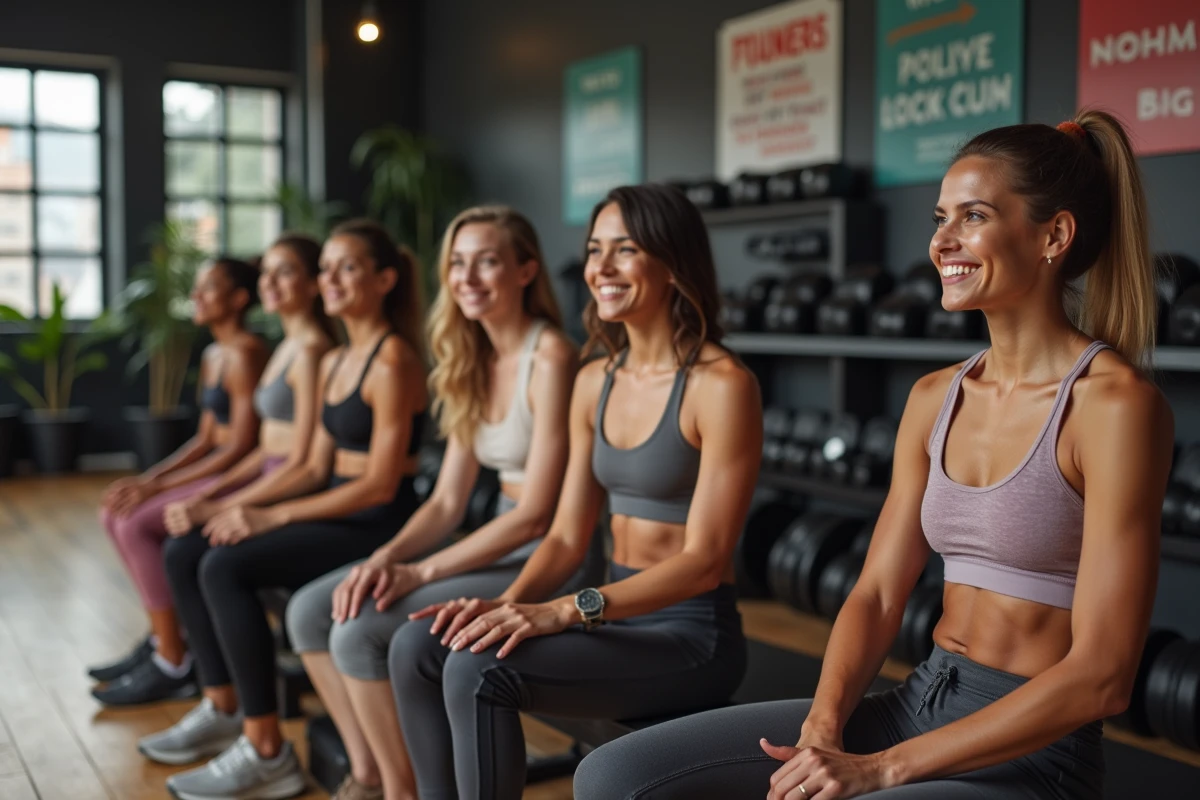
The collective, a driving force to go the distance
While individual training has its followers, most draw their energy from the collective. Relying on a personal trainer or integrating into a group provides an outside perspective, tailored encouragement, and support that comes into play when the temptation to slack off arises.
A coach adjusts sessions as progress unfolds, identifies signs of fatigue, and fine-tunes the strategy accordingly. Gradually, this regularity becomes a habit, requiring almost no effort to maintain.
To sustain long-term engagement, three levers make a difference:
- Joining a club or a community: group training amplifies motivation
- Counting on a partner to navigate ups and downs without ever feeling alone
- Breaking the routine, discovering new sports, or daring to completely change activities to stimulate curiosity
Sporting prescriptions are expanding, proving that the group transforms the experience: supporting each other, moving forward side by side, sometimes just by being present, ultimately weaves a dynamic that allows for reaching a new level. Driven by a shared momentum, confidence builds; from there, broader horizons emerge, where each goal seems a little more attainable.