
France remains the world’s top tourist destination, but choosing where to settle down is not just about ticking famous places off a map. The type of accommodation, the departure period, and the regulatory framework for seasonal rentals now weigh as heavily as the choice of region. Understanding these parameters before booking significantly changes the quality of the stay.
Seasonal rental in France: what the Le Meur law changes for vacationers
Since the law n° 2024-1039 of November 19, 2024, known as the Le Meur law, the rules governing the rental of furnished tourist accommodations have tightened. Municipalities can now lower the rental cap of a primary residence and impose a mandatory registration number for any listing published on a platform.
For a vacationer, the direct consequence is simple: a listing without a registration number can be blocked by the platform. Checking this number before booking protects against last-minute cancellations and non-compliant accommodations.
Owners of classified furnished rentals in tight zones face additional constraints on changing usage. This regulatory pressure reduces supply in certain highly touristic cities, which can lead to higher rates or less availability during peak season. Several resources are available to prepare a stay considering these developments, notably https://www.guidedesvacances.fr/ which gathers information by region and type of vacation.
Off-season vacations in France: why September is increasingly attractive
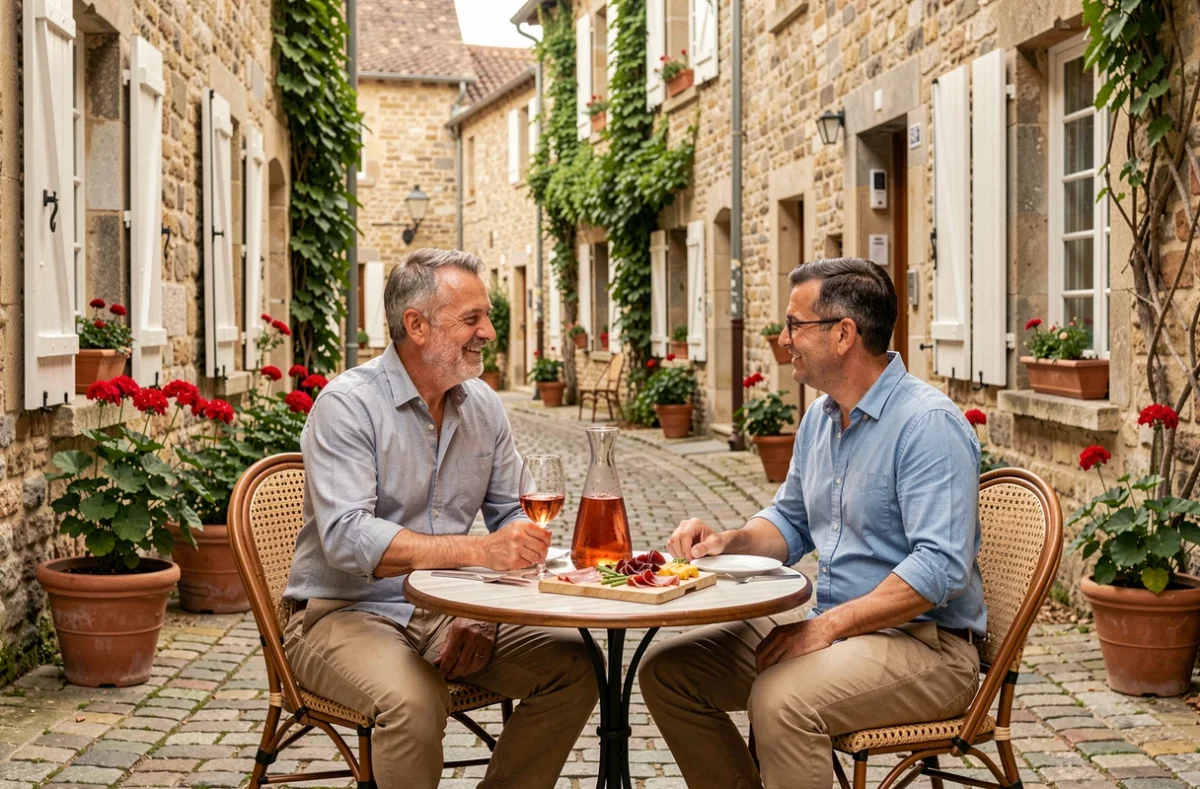
Off-season tourism is gaining ground. According to an Ipsos study from May 2025, reported by 20 Minutes in September 2026, the “septembrists” seek lower crowds and a calmer experience. This shift of a few weeks radically alters the relationship with a destination.
A crowded Breton beach in August becomes an open space in September. The Verdon Gorge, saturated in July, regains a calm that allows for enjoying the trails without waiting in line. Sometimes, the choice of date weighs more heavily than the choice of location.
Field reports vary on the exact extent of this phenomenon depending on the regions. Mediterranean coastal areas maintain high attendance until mid-September, while the hinterlands or mountainous areas empty out earlier. Adapting one’s destination to the period, rather than the other way around, remains the most effective lever to avoid crowds.
Coastal destinations and saturation: choosing your coastal sector precisely
Insee data for summer 2026 confirms an increase in overnight stays in coastal areas compared to 2025. French coasts remain the top choice for vacationers, but this popularity creates significant disparities from one sector to another.
The most well-known seaside resorts concentrate the bulk of tourist pressure. In contrast, stretches of coast located just a few dozen kilometers away offer comparable landscapes with much lower attendance. A few criteria help identify these less saturated sectors:
- Favor municipalities that do not have a large hotel capacity, which mechanically limits the daily influx of visitors.
- Check for direct access to the sea via a path rather than a departmental road, indicating a site less developed for mass tourism.
- Consult attendance data published by local tourist offices, which sometimes indicate peak periods and nearby alternatives.
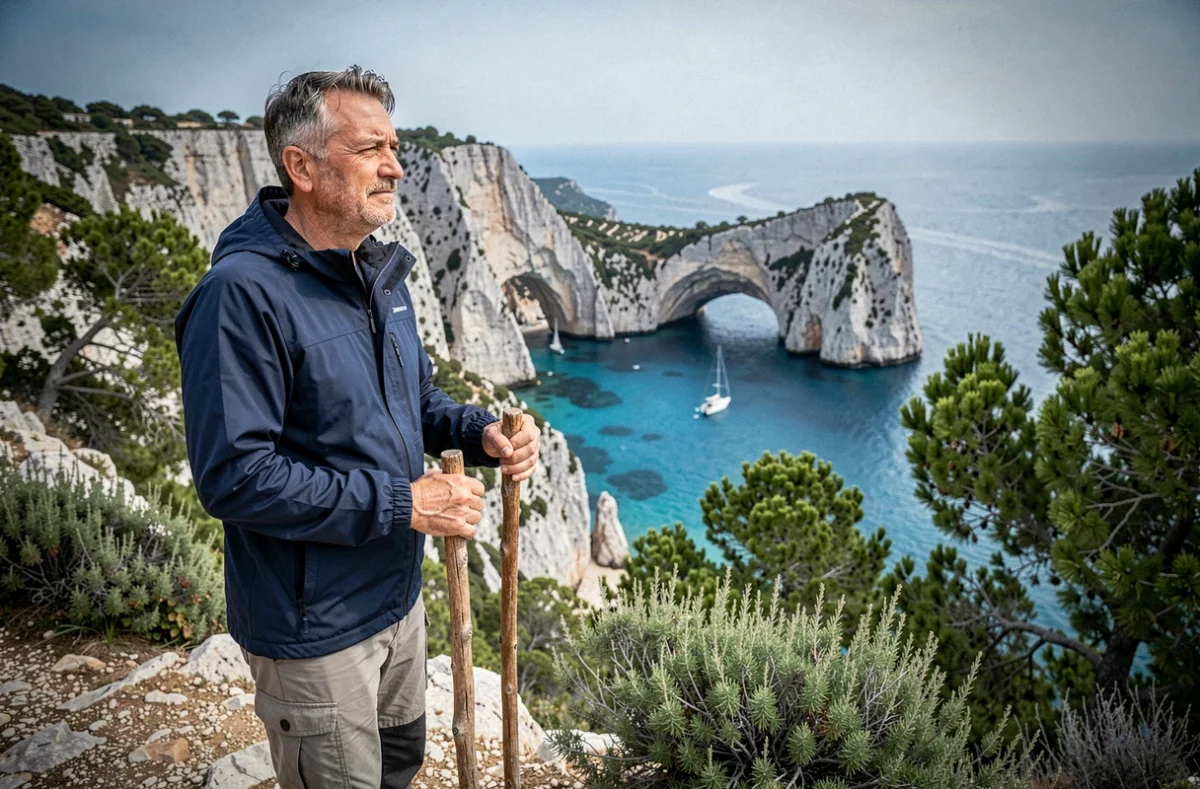
North Brittany, the Basque coast outside of Biarritz and Saint-Jean-de-Luz, or certain villages on the western Corsican coast illustrate this logic. The beauty of the landscape does not diminish with distance from tourist centers, but the comfort of the stay increases significantly.
Camping in France: a type of accommodation that influences destination choice
Competitors in search results list places and landscapes, rarely types of accommodation. Insee data covering May to August 2026 shows, however, that campgrounds have recorded an increase in overnight stays and remain the leading collective tourist accommodation in France.
This observation changes the planning approach. A camping trip in the Ardèche gorges or at the foot of the Auvergne volcanoes is not prepared like a hotel reservation on the Côte d’Azur. Camping requires checking the availability of pitches, the proximity of water points and hiking trails, and sometimes restrictions related to fires or camping in protected areas.
The relationship to the landscape also differs. Sleeping in nature, just a few meters from a lake or forest, creates an experience that traditional accommodation does not replicate. For families, camping offers pricing flexibility and a communal life that many seasonal rentals no longer provide, especially since the aforementioned regulatory tightening.
Inland regions and preserved nature: underestimated destinations
The majority of competing articles point towards the coast, Corsica, or the Alps. Inland regions appear in the background, even though they concentrate some of the most unique landscapes in the territory.
- Aubrac offers volcanic plateaus, a cheese gastronomy rooted in the terroir, and little-frequented long-distance hiking trails, even in summer.
- Périgord combines prehistoric heritage, canoeable rivers, and classified villages, with a tourist pressure much lower than that of the neighboring Atlantic coast.
- Lozère, the least densely populated department in metropolitan France, offers gorges, causses, and wildlife (vultures, deer) rarely observable elsewhere.
Choosing an inland region reduces transport and accommodation costs while offering a change of scenery comparable to that of popular coastal destinations. Availability is also broader there, including during peak season.
Preparing a vacation in France in 2026 requires considering several variables: the regulations on seasonal rentals, the departure period, the specific geographical sector, and the type of accommodation. The most photographed destinations are not always those that offer the best stay. A lesser-known coastline in September or a volcanic plateau on a family camping trip can create far more memorable experiences than a week in a saturated resort in the middle of August.